The Ultimate Bolivia Packing List
Planning a trip to Bolivia? Time to start getting ready! One of the most important things is to determine what you'll be taking with you for your journey. We've put together a clear and comprehensive packing list for you. This way, you'll be well-prepared and won't forget anything.
Climate and Travel Seasons
Bolivia has a diverse landscape, which also results in significant regional climate variations. The temperatures are influenced by the Andes and the Amazon. In the high-altitude areas of the Andes, there is a high mountain climate, while the valleys can be tropical and warm. In the north and east of Bolivia lies the Amazon. The west and southwest of Bolivia feature a combination of desert and steppe climates.The best time to visit Bolivia is between May and September. During the Bolivian summer, from November to March, it is the rainy season, with heavy rainfall possible during this period. In the Bolivian winter, from May to September, it is the dry season. This period sees little rain but significantly lower temperatures, especially in the mountains.
Traveling with a suitcase or backpack
The first choice you have to make when you go on a trip is whether you opt for a suitcase or a backpack. There are advantages to both, and the best choice depends on your travel itinerary, the activities you'll be doing, but mostly on your personal preference.
The biggest advantage of a backpack compared to a suitcase is that you can carry it on your back. In Bolivia, you won't always find good sidewalks and paved roads, especially when traveling to more remote places outside of major cities, so a backpack can be the obvious choice. On the other hand, traveling with a suitcase is much more comfortable. You don't have to carry a suitcase on your back, making it more relaxed for longer walks.
An important difference is that a suitcase is heavier than a backpack. With a suitcase, you quickly reach the maximum weight for checked baggage. A backpack can be packed heavier, but it often has less space than a suitcase.
A backpack offers a lot of flexibility, but in most places, you can travel just fine with a suitcase. For example, in locations with only unpaved roads, you can usually take a taxi. It may be challenging to move your suitcase only in places where there are no taxis and no paved roads. So, consider your route carefully and choose what's best for you.
We often travel with our Eastpak travel bags. These have all the benefits of a suitcase, but they are essentially wheeled bags. This results in a lower weight than a suitcase, allowing you to bring more.
Tips for Your Packing List
- Bring layers of clothing that are easy to carry, especially for higher-altitude areas.
- When traveling to Bolivia, it’s important to consider which season you’ll be in at specific locations and plan your packing accordingly.
- Pack plenty of warm clothing if you’re visiting Bolivia during the Bolivian winter.
General
- Passport + copies
- Visa
- Credit card(s) (with sufficient monthly limit)
- Debit card (worldwide)
- Cash
- Driver's license
- Medical passport
- Vaccination passport
- Copies of important documents such as health insurance, travel insurance, emergency numbers, contact information for family/friends
- Passport photos
- Boarding pass
- Backpack/Daypack
- Rain cover (for backpack/daypack)
Tip: Withdrawing cash abroad using your local bank card or credit card can be expensive. When withdrawing in a different currency, you often face unfavorable exchange rates and additional transaction fees. Our solution is Wise. For a one-time fee of $9 USD, you can open an account and receive a VISA debit card. You can hold and convert money in more than 50 currencies, always at a favorable rate. Additionally, you can spend money in over 170 countries without any extra charges.
Tip: For some countries, you may need an international driver's permit, or it can be useful to have one just in case.
Toiletries
- Toiletry bag
- Deodorant
- Shampoo (+ conditioner)
- Shower gel
- Hairbrush/comb
- Razor and/or trimmer
- Contact lenses and/or glasses
- Contact lens solution
- Toothbrush and toothpaste
- Dental floss/toothpicks
- Nail clippers and/or manicure scissors
- Tweezers
- Sunscreen
- Aftersun lotion
- Daytime moisturizer/night cream
- Tampons/sanitary pads
- Sanitary pad disposal bags
- Birth control pills
- Condoms
- Wax, gel, or hairspray
- Lip balm
- Makeup
- Hand sanitizer gel
- Moist towelettes
Electronics
- Mobile phone
- SIM card removal tool
- Camera
- E-reader
- Tablet or laptop
- Power bank
- Chargers and batteries
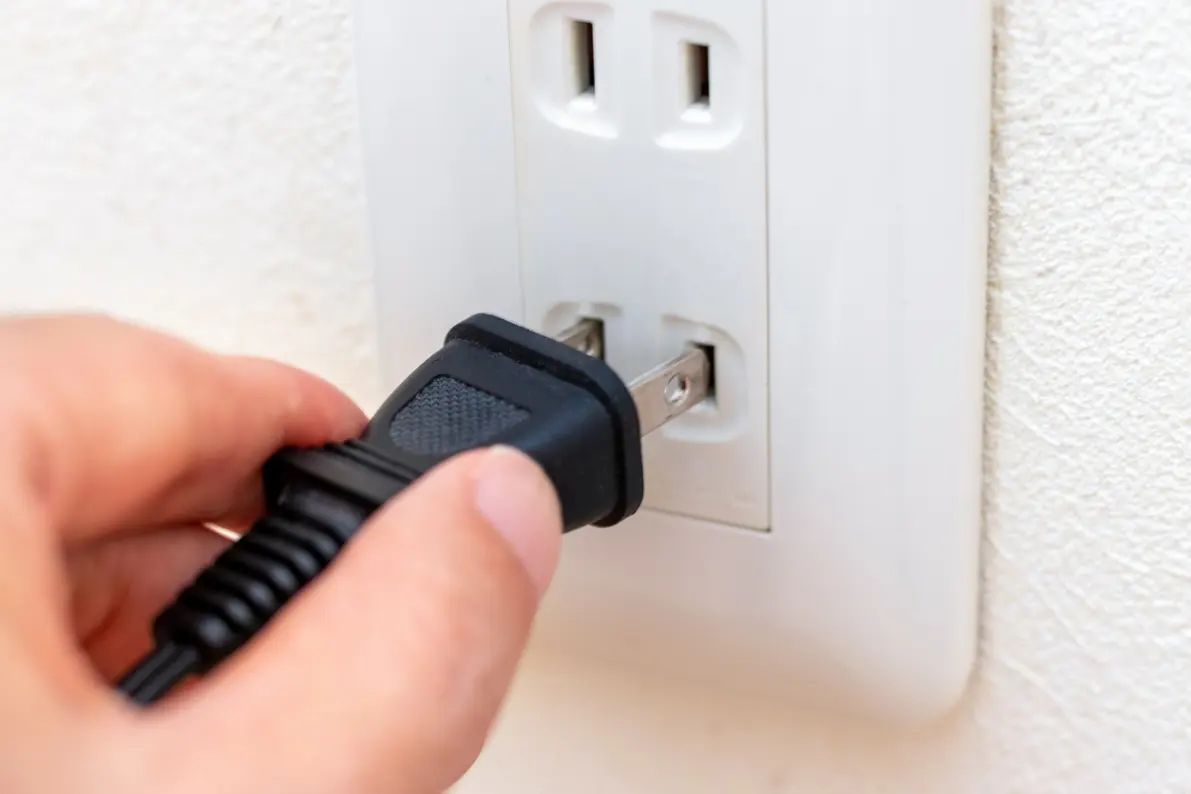
- Worldwide adapters (type A and C)
- Splitter
- Earphones or headphones
- Mouse, keyboard, SD card
Medical
- Insect repellents/mosquito repellents with (ideally 40%) DEET
- Betadine ointment
- Anti-diarrheal medication
- Paracetamol
- Ibuprofen
- First-aid kit
- Malaria pills
- Regular medication
- ORS (Oral Rehydration Solution)
- Vitamin supplements
- After Bite
- Tiger balm
- Motion sickness medicine
- Blister plasters
Clothing
- Sneakers
- Flip-flops or sandals
- Hiking boots
- Underwear
- Socks
- Outdoor/fleece jacket
- Thin long-sleeve shirt
- Thin sweater
- T-shirts
- Shorts
- Dresses/skirts
- Thin long pants
- Sunglasses
- Belt
- Thermal clothing
- Pajamas
- Poncho or rain gear
- Swim trunks/bikini
- Cap/hat
- Sportswear
Additional clothing for colder regions
- Windproof and waterproof jacket
- Hiking pants
- Thermal clothing
- Thick sweater
- High socks
- Hat
- Scarf
- Gloves
- Waterproof hiking boots
Useful extras
- Toilet paper
- Tissues
- Elastic bands
- Pen and paper
- Small towel
- Travel towel
- Collapsible umbrella
- Dry bag
- Travel games and playing cards
- Headlamp
- Ear plugs for sleeping
- Snorkel mask and snorkel
- Sleeping bag line
- Sewing kit
- Mosquito net (impregnated)
- Lock for backpack
- Luggage tag
- Travel alarm (mobile smoke detector)
- Small roll of tape
- Universal sink stopper + clothesline
- Hand wash detergent
- Travel guide (e.g., Lonely Planet)
- Vacuum bags for clothing
- Packing cubes
We are Matthew and Mirte, two Dutch travelers who love getting to know countries through their people, food and hidden spots. Read more